MISSION STATEMENT
No Peace No Quiet, Inc., is dedicated to creating safe spaces online for victims and survivors of domestic violence and abuse.
Blog
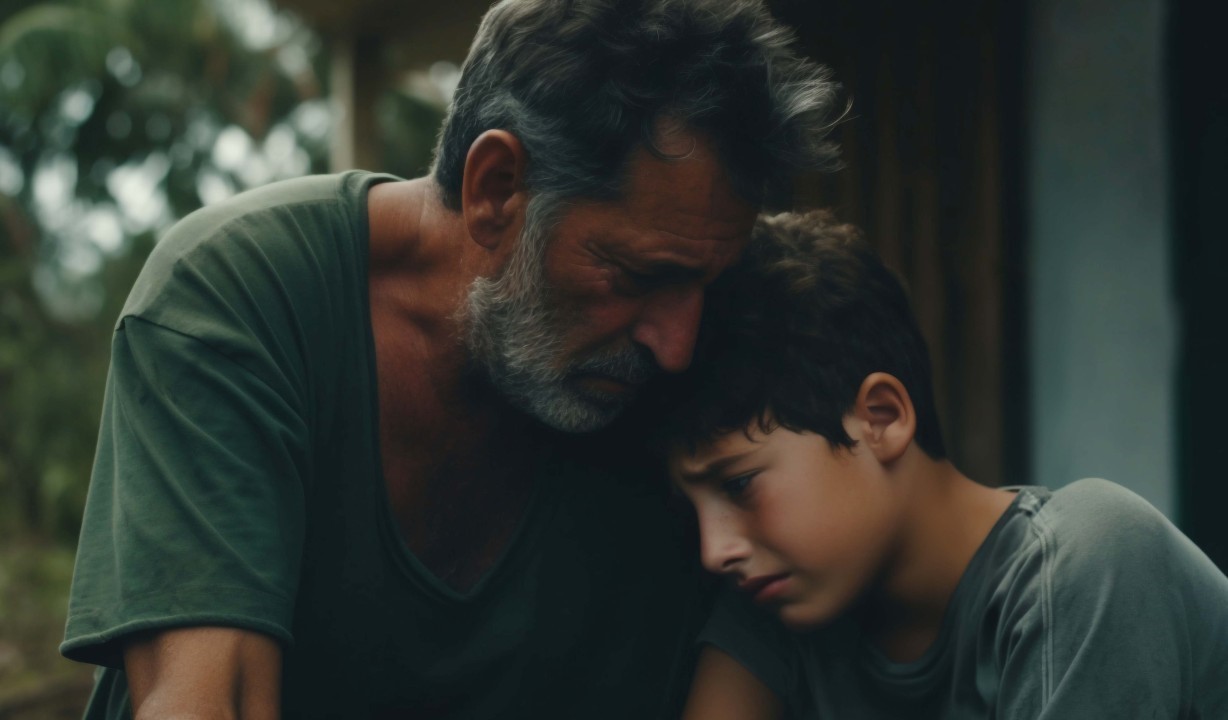
The Silent Struggle: The Mental Health Impact on Male Survivors of Domestic Violence
By Rachel DePalma | Certified Advocate
Domestic violence is often perceived as an issue predominantly affecting women, but this narrative overlooks a significant and silent demographic: male survivors. Despite societal expectations and stereotypes, men can and do experience domestic violence, and the psychological toll on these survivors can be profound and enduring. Understanding the mental health impact on male survivors of domestic violence is crucial in providing comprehensive support and fostering a more inclusive dialogue on this pervasive issue.
The Hidden Epidemic
Male victims of domestic violence face unique challenges that can exacerbate the psychological impact of their experiences. Social stigmas and gender norms often discourage men from reporting abuse or seeking help. The fear of being disbelieved, ridiculed, or perceived as weak can lead to isolation and silence. This reluctance to seek assistance not only perpetuates the abuse but also intensifies the mental health consequences.
Psychological Consequences
The mental health impact on male survivors of domestic violence is multifaceted, encompassing a range of emotional and psychological issues:
Depression and Anxiety: The constant stress and fear experienced in abusive relationships can lead to chronic anxiety and depression. Male survivors may struggle with feelings of hopelessness, sadness, and overwhelming worry, often compounded by the isolation they feel due to societal stigmas.
Post-Traumatic Stress Disorder (PTSD): Exposure to prolonged trauma can result in PTSD, characterized by flashbacks, nightmares, severe anxiety, and uncontrollable thoughts about the abuse. This condition can severely disrupt a survivor's daily life and ability to function normally.
Low Self-Esteem and Shame: Many male survivors internalize the abuse, leading to significant damage to their self-esteem. They may blame themselves for the abuse or feel a deep sense of shame and embarrassment, believing that they have failed in their perceived roles as men.
Substance Abuse: In an attempt to cope with the psychological pain, some male survivors may turn to alcohol or drugs. Substance abuse can become a destructive cycle, further deteriorating their mental health and hindering their ability to seek effective help.
Suicidal Ideation: The combination of isolation, depression, and a lack of support can lead to suicidal thoughts. The feeling of having no escape from the abusive situation or the psychological aftermath can drive some men to contemplate or attempt to take their own life.
Barriers to Seeking Help
Several factors contribute to the reluctance of male survivors to seek help, including:
Social Stigma: Men are often socialized to be strong and self-reliant, making it difficult for them to admit to being victims of abuse. The fear of being perceived as less masculine can prevent them from reaching out.
Lack of Resources: Many support services and shelters are designed with female survivors in mind, leaving men with fewer options. This lack of tailored resources can discourage men from seeking the help they need.
Legal and Institutional Bias: Male survivors may encounter biases in the legal system and healthcare services, where their experiences are minimized or dismissed. This can make the process of seeking justice and psychological help even more daunting.
Moving Forward: Supporting Male Survivors
Addressing the mental health needs of male survivors of domestic violence requires a multi-faceted approach:
Awareness and Education: Increasing awareness about male domestic violence is crucial. Educational campaigns can challenge stereotypes and encourage a more inclusive understanding of abuse.
Support Services: Developing and promoting resources specifically for male survivors, such as hotlines, shelters, and counseling services, can provide essential support.
Training for Professionals: Healthcare providers, law enforcement, and social workers should receive training to recognize and respond appropriately to male domestic violence survivors.
Encouraging Open Dialogue: Creating safe spaces for men to share their experiences without fear of judgment can foster a supportive community and help break the cycle of silence.
Conclusion
Male survivors of domestic violence face significant mental health challenges exacerbated by societal stigmas and a lack of resources. By acknowledging their experiences and providing targeted support, we can help male survivors heal and reclaim their lives. It is essential to foster an inclusive dialogue that recognizes domestic violence as a human issue, transcending gender and promoting compassion and understanding for all survivors. If you or someone you know is in need of support services, please visit our resources page. Did you find this article helpful? Drop us a comment on LinkedIn. ___________________________________#MensHealthAwarenessMonth #Abuse #DomesticViolenceAwareness #cyberbullying #Support #Nonprofits #NoPeaceNoQuiet #RachelDePalma
The Hidden Epidemic
Male victims of domestic violence face unique challenges that can exacerbate the psychological impact of their experiences. Social stigmas and gender norms often discourage men from reporting abuse or seeking help. The fear of being disbelieved, ridiculed, or perceived as weak can lead to isolation and silence. This reluctance to seek assistance not only perpetuates the abuse but also intensifies the mental health consequences.
Psychological Consequences
The mental health impact on male survivors of domestic violence is multifaceted, encompassing a range of emotional and psychological issues:
Depression and Anxiety: The constant stress and fear experienced in abusive relationships can lead to chronic anxiety and depression. Male survivors may struggle with feelings of hopelessness, sadness, and overwhelming worry, often compounded by the isolation they feel due to societal stigmas.
Post-Traumatic Stress Disorder (PTSD): Exposure to prolonged trauma can result in PTSD, characterized by flashbacks, nightmares, severe anxiety, and uncontrollable thoughts about the abuse. This condition can severely disrupt a survivor's daily life and ability to function normally.
Low Self-Esteem and Shame: Many male survivors internalize the abuse, leading to significant damage to their self-esteem. They may blame themselves for the abuse or feel a deep sense of shame and embarrassment, believing that they have failed in their perceived roles as men.
Substance Abuse: In an attempt to cope with the psychological pain, some male survivors may turn to alcohol or drugs. Substance abuse can become a destructive cycle, further deteriorating their mental health and hindering their ability to seek effective help.
Suicidal Ideation: The combination of isolation, depression, and a lack of support can lead to suicidal thoughts. The feeling of having no escape from the abusive situation or the psychological aftermath can drive some men to contemplate or attempt to take their own life.
Barriers to Seeking Help
Several factors contribute to the reluctance of male survivors to seek help, including:
Social Stigma: Men are often socialized to be strong and self-reliant, making it difficult for them to admit to being victims of abuse. The fear of being perceived as less masculine can prevent them from reaching out.
Lack of Resources: Many support services and shelters are designed with female survivors in mind, leaving men with fewer options. This lack of tailored resources can discourage men from seeking the help they need.
Legal and Institutional Bias: Male survivors may encounter biases in the legal system and healthcare services, where their experiences are minimized or dismissed. This can make the process of seeking justice and psychological help even more daunting.
Moving Forward: Supporting Male Survivors
Addressing the mental health needs of male survivors of domestic violence requires a multi-faceted approach:
Awareness and Education: Increasing awareness about male domestic violence is crucial. Educational campaigns can challenge stereotypes and encourage a more inclusive understanding of abuse.
Support Services: Developing and promoting resources specifically for male survivors, such as hotlines, shelters, and counseling services, can provide essential support.
Training for Professionals: Healthcare providers, law enforcement, and social workers should receive training to recognize and respond appropriately to male domestic violence survivors.
Encouraging Open Dialogue: Creating safe spaces for men to share their experiences without fear of judgment can foster a supportive community and help break the cycle of silence.
Conclusion
Male survivors of domestic violence face significant mental health challenges exacerbated by societal stigmas and a lack of resources. By acknowledging their experiences and providing targeted support, we can help male survivors heal and reclaim their lives. It is essential to foster an inclusive dialogue that recognizes domestic violence as a human issue, transcending gender and promoting compassion and understanding for all survivors. If you or someone you know is in need of support services, please visit our resources page. Did you find this article helpful? Drop us a comment on LinkedIn. ___________________________________#MensHealthAwarenessMonth #Abuse #DomesticViolenceAwareness #cyberbullying #Support #Nonprofits #NoPeaceNoQuiet #RachelDePalma